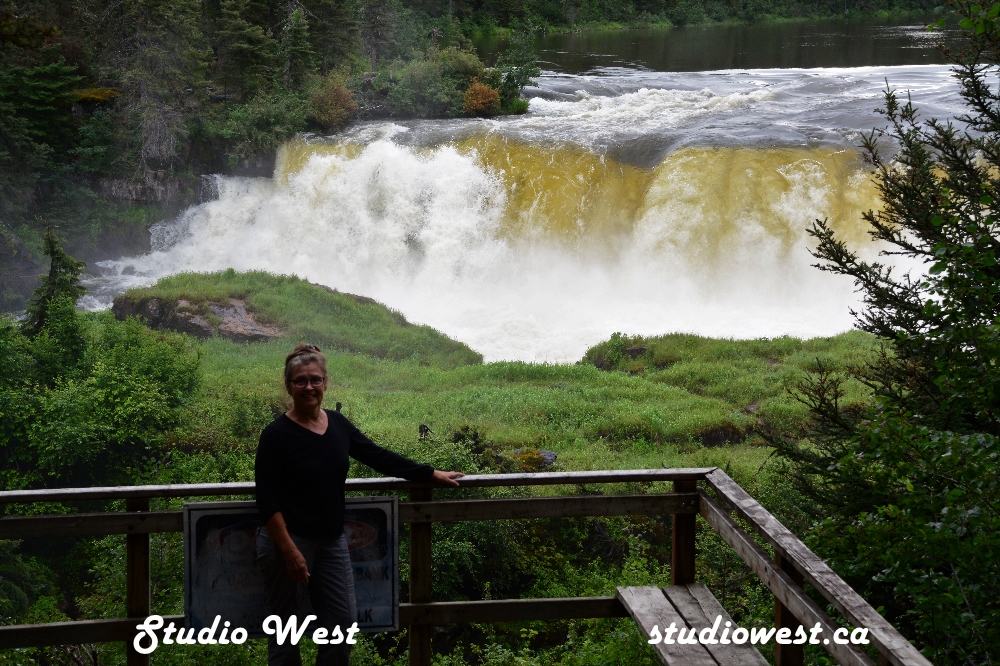
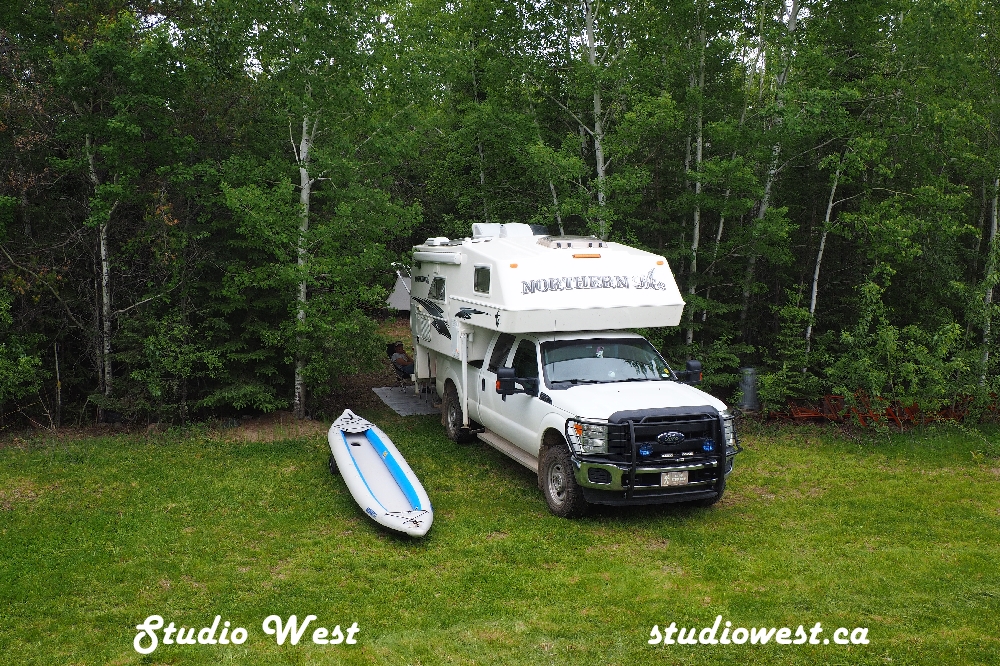
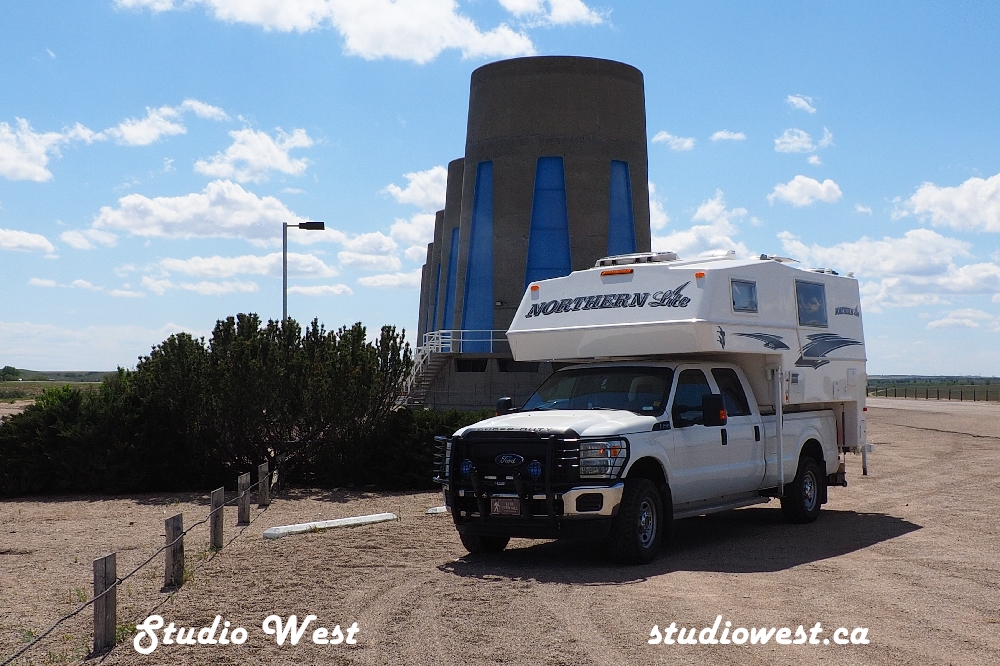
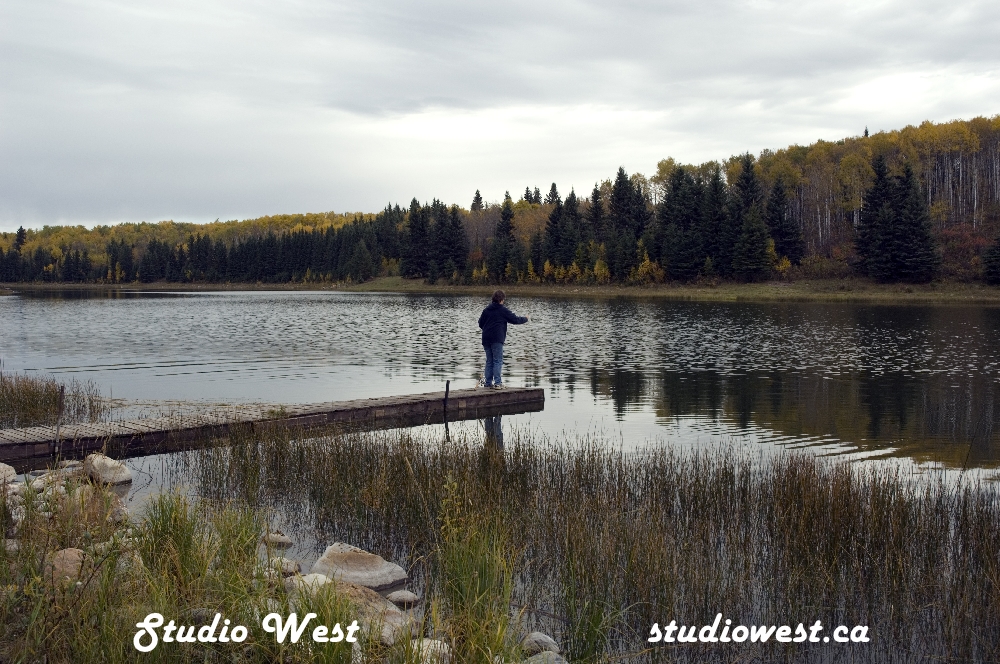
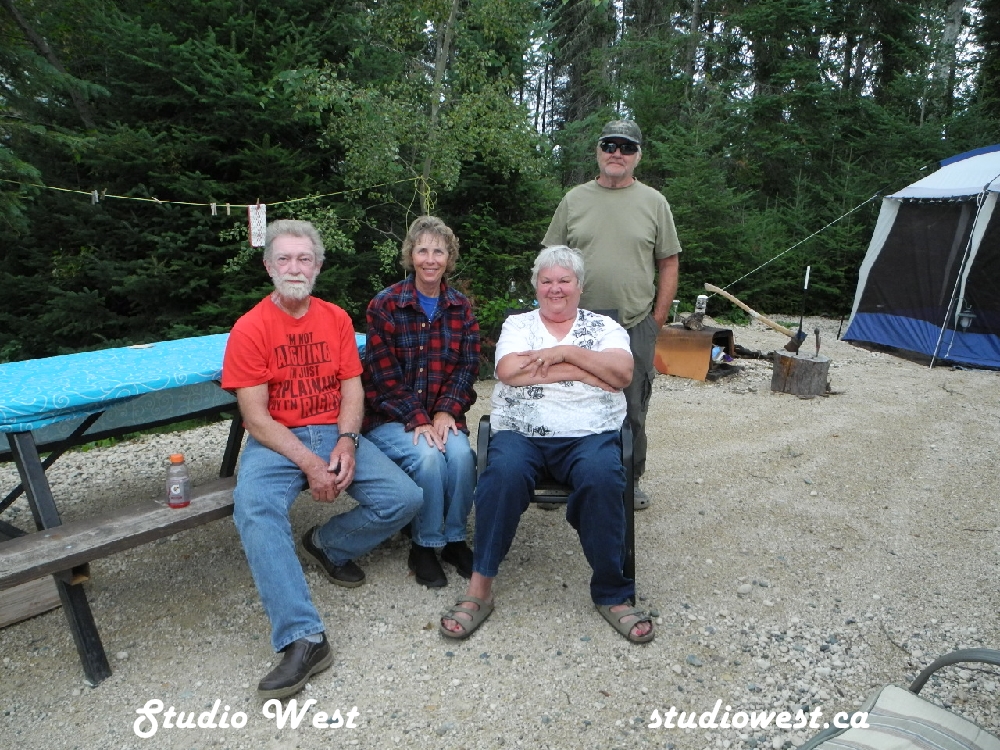
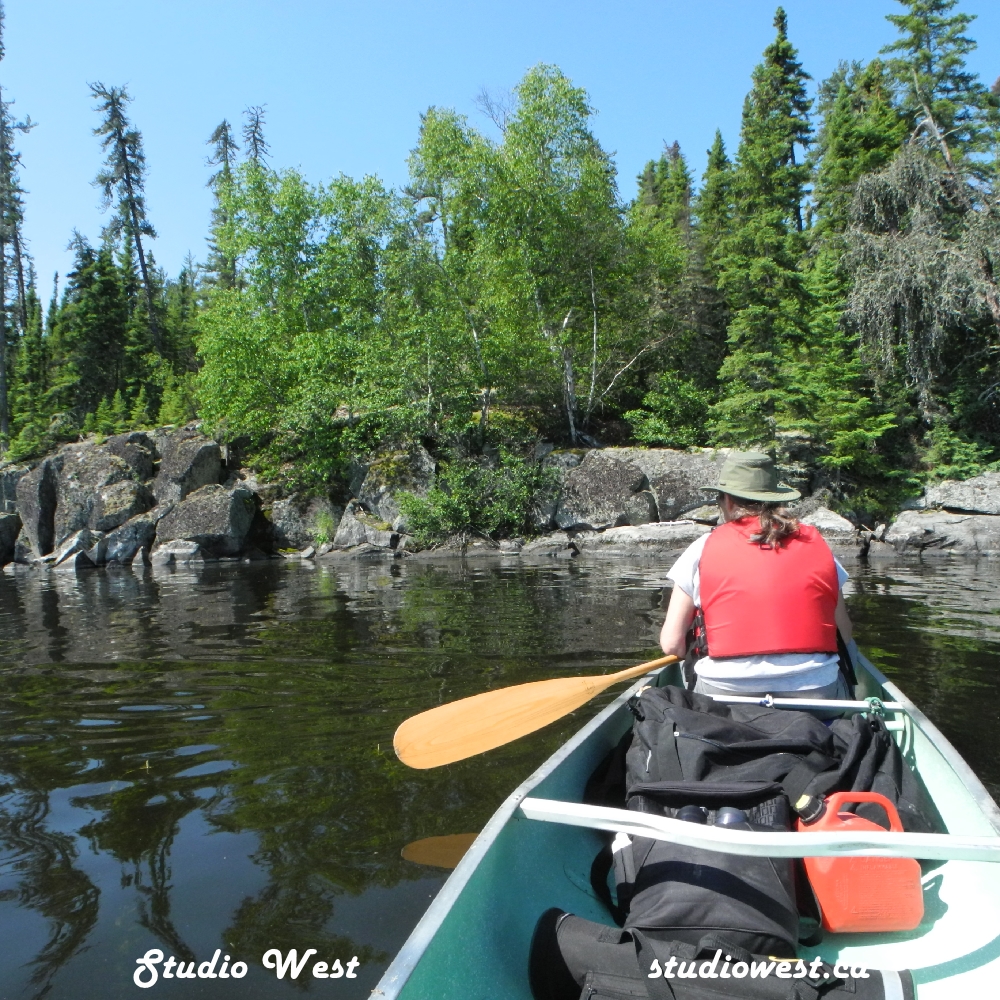
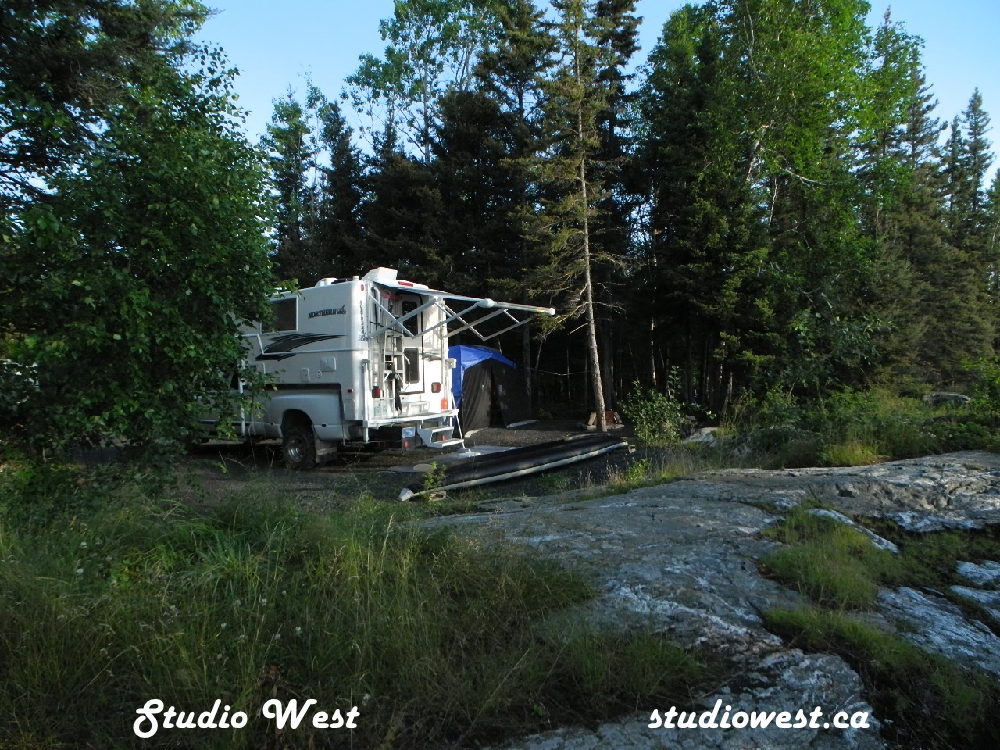
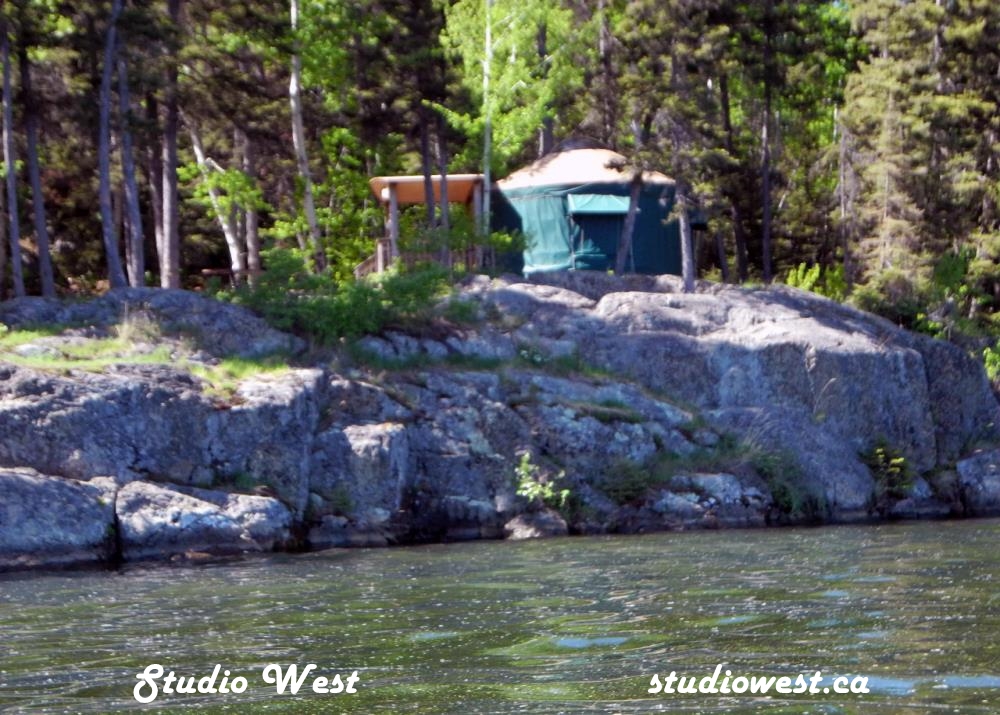
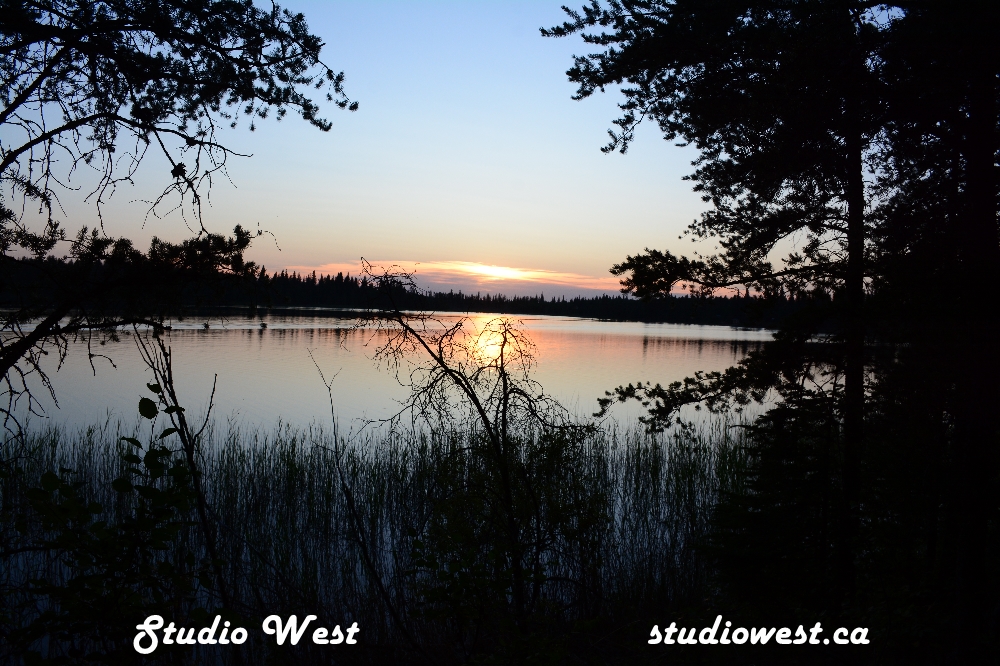
In July we travelled to Meeting Lake to visit with friends and while there decided to take a short road trip and visit The Crooked Bush. It’s an amazing sight and one of only two unexplainable botanical growths in the world. Enjoy our photographs of the area but it is really one must see for themselves, you will not be disappointed . I have included the information from Tourism Saskatchewan write up on the area we visited. In our travels all over Saskatchewan it’s amazing the hidden gems once you get off the Trans Canada Highway and travel some less known roads. This one has been in our backyard and we finally got to check it out this summer.
One of Saskatchewan’s hidden Jewels
The Crooked Bush, located in the Rural Municipality of Douglas near Hafford and Speers, is called a botanical mystery by the Friends of the Crooked Bush and was declared one of the ’54 Wonders of Canada’ by CBC’s ‘Morningside’ show. This trail tours a small cluster of aspen trees that are atypical as they do not grow towards the sky; instead, the branches twist and turn in horizontal and downward directions, giving the grove an eerie and, yet, mesmerizing appearance.
Scientists believe that the tree growth is a result of a genetic mutation, but they are unsure what caused the mutation. Meanwhile, local legend attributes the strange shaping to everything from a UFO landing to a lightning strike that affected the area’s soil. The legend also claims that people who enter the area experience dizziness and that, despite the lack of a fence, cattle will not travel through the trees. The peculiarity of the trees, which were first identified in the 1940s by local residents, is further increased by the fact that the trees grow less than 10 m away from other aspens that do not feature this mutation.
The trees are 15 – 20 ft. tall and are around 70 years old. Normal aspen trees usually reach this height after 15 years. What is truly intriguing is the fact that the trees are growing at a normal rate, their branches are just growing in every direction other than straight up. Although the trail is rather short, it features a wooden boardwalk and is a must-see destination for people of all ages and abilities.
This area is considered a natural treasure. It is located on private land. Please do not climb the trees, break branches, litter or leave the boardwalk. This will help ensure that the area remains intact for years to come.
A short walk is very worth itA prehistoric egg? or perhaps a present from outer spaceA very unique outhouse on siteInside the unique BiffyJust across the road perhaps 50 feet away the trees grow straightWe finally took the time to check out one of the Provinces wonders, so close to home.
Thanks for checking us out. I am so happy to be able to share our images and great travel locations with you. Perhaps we can entice you to check out these areas for yourselves. Please subscribe it’s free or sign up for email notifications of our new posts as we get them up. Always running a little behind on posts but after trying to catch up on a whole summer….if I am going to do this they must and will be more regular. All we need is internet and we tend to choose areas that are not internet or cell friendly so sometimes we will be running behind on posting.
As always your comments and questions are appreciated on the Crooked Bush, our travels or the Truck Camper our home on wheels. Thanks and hope to see you down the road….look for the Northern Light and the western hat we would love to meet you…Gerry and Charlotte
One of the big problems we found with our electrical supply was the lack of power camping during the winter months. When the temperatures are dropping to minus 15 Celsius and lower the furnace runs a lot. Our Northern Lite is what they call a true four-season camper but let’s face it no camper is insulated to our Northern Saskatchewan winters.
So you ask why bother in that weather. Well we cannot resist as the north is just too beautiful in winter and just needs to be photographed and shared with all those who will not put themselves through that. Snowshoeing and skiing also being another reason. During the summer my two 6 volt 100 amp/hr. flooded batteries with the 100 watt solar panel on the roof is more than adequate for our power needs. However we love those well treed private spots with lots of shade, throw in two or three days of little to no sunshine and we need the generator. I hate listening to generators and especially mine, we camp to get rid of the noise and listen to the wind and birds, not a generator grinding away.
Winter in Saskatchewan is too long not to go camping
Having read posts on RV sites written by someone who knows more about the electrical side of RVing, I ran across this DC to DC charger system that many recommended. This is my solution! I got to get one of these, so I ran down to my local RV dealerships wanting to purchase one and get it installed. Well after three dealerships I was told they never heard of a DC to DC charger and I did not need one as my batteries charged from the truck while driving. Yes a slow charge and if I drove 10 hours a day that may work, not acceptable for me. After I spent $25 worth of gas and two days running around trying to purchase locally (support local) and getting nowhere, I turn to on line direct to Renogy. Yes, four days later I have my 40 amp Renogy battery charger delivered and ready for install. If memory serves me right it was approximately $165.
Renogy DC to DC 40 amp charger mounted to added plywood on the inside wall under the rear closet.
Next problem I had to solve was where to mount the charger as they recommended close to the camper batteries as possible. Finally I decided to mount it under the closet panel in the rear closet of our 2017 9.6 Northern Lite. The big shock came when I discovered the cost of 4 gauge wire recommended to be run from my truck battery to a fuse then back to the charger, then from the charger to the batteries. My truck is a 2013 Ford F350 Super Duty with crew cab and eight foot box. That’s 20 some feet to the back of the truck only and still had to get to my charger and batteries times two for positive and negative wires. After pricing the cable individually by the foot I was shocked, copper is expensive. I then discovered at my local Princess Auto store 4 gauge booster cables 20 feet long for less money. I now have several booster clamps in the shop less wire. These worked perfectly to run side by side from the battery down my truck frame just reaching the back, these were about $36 each pair. Locally I could not find the connectors to connect the camper to the truck (Orion Motor Tech wire connector, 2-4 gauge x 2) these worked well. Also needed the Renogy, 60 amp fuse x 2 ($13 each) as well as two spare fuses which I found on Amazon. Also needed is a way to turn on the power to the charger from either the camper batteries or the truck battery, I chose to wire it to my existing truck switches and run it to the charger in the back. This required about 30 feet of 10 gauge wire and a wire connector from camper to the truck.
Orion connectors from truck to camper along with 12v switch to charger4 gauge from positive to 60 amp fuse block then to charger. Also ran 4 gauge from negative to charger
This part is specific to our 9.6 NL camper. Next I did not want to drill holes in the camper so I ran the wiring up through the battery compartment using the bottom vent to enter the battery compartment, under the batteries as they sit on slats up through into the area under the closet to the charger. From the charger to a fuse then back to the battery compartment to the batteries. I connected the camper with the Orion wire connector attached to the camper under the battery compartment to the truck connector at the rear of the box along with the 12v wire to start the charger. This allows for a quick disconnect for unloading a truck camper and not necessary for other applications. The connectors would probably not be needed on a van, class A or C. I would only recommend this system for someone who moves their home with them when they drive from place to place, if you are disconnected from the source it will not benefit you unless you want to sit and run your vehicle.
Without adding holes to the camper I ran the cables to the charger through the bottom battery compartment ventWires coming into the battery compartment, slats keep the batteries off the cableWires coming to the charger and leaving. Black case is the battery compartment60 amp fuse block leaving the positive side of the charger to battery’s
I am not going to try and get into the technical end of the system as I do not understand everything, so do your own research there is lot of help on line as well as Renogy themselves. My truck alternator was large enough to handle the 40 amp charger but some applications may require a larger alternator.
So far we have only used the system in late fall while running the furnace, which we keep at 21 Celsius, our water pump and a few LED lights. Our days are shorter here and less sunlight at a very low angle for our rooftop solar panel. Now when we use our camper to get supplies or just to explore an area I am pumping full charge into my two 6 volt in the camper. In a 30 km drive I can bring my batteries from 12 to full charge. This would have never happened before. I never run my batteries below 11.5 so if I am close, even Idling for 15 to 20 minutes, has topped them back up to around 12.5 to 12.7. I like having the switch in the cab to turn the charger on if I need it and not have to have it on when not necessary. Being as the switches are tied to the ignition when the key is off I am not draining the truck battery to power the charger and house batteries, something to watch for.
Utilized existing truck switch to run 12v power to the charger
There are sites out there that have the technical information, all I know is for the investment and trouble to install this charger we have a lot more options and it will also work on all kinds of batteries, so when I can afford to upgrade to lithium it’s going to work even better. So far 100% happy with Renogy and the system and would not hesitate to recommend it. Hope the photos explain it better.
Your comments and questions are more than welcome if the questions are not too tough or techy.
If I’m not mistaken in my last post I said see you next week….well folks that was sometime in May, it’s been quite a week and already it’s December. When you’re having fun time just goes flying by and we had a very enjoyable summer of travel. Our little cabin was mostly deserted from early May to late October so we are starting to question why we even have it as the road calls and we find we must go. We know there will be time in our lives to sit and look out the same window but until that time comes… why not see this beautiful country.
Our travels took us right across northern Saskatchewan from Otter Rapids north of La Ronge and west to Meadow Lake with lots of stops in between. Starting very early this spring we missed most of the forest fires and not until later on in our trip did we have to deal with smoke and it was never really bad. The worse smoke we experienced was when we returned to our cabin near Saskatoon briefly. As of this year we have travelled nearly every highway in the province from the far north to the U.S. border. The Grasslands around Mankota, Big Muddy area, The Great Sandhills in the Sceptre area, the Crooked Bush near Hafford and all through the north of the province. And we have not seen all the diversity this province offers even yet.
On the road to Otter Rapids
Leaving Pike Lake we headed north. That was our only plan at the time and as usual we stopped to visit my cousin June, owner of Northside Antiques at Northside, north of Prince Albert. We try and keep our visit short as when I start looking around at all the unique antique pieces she has it is a good thing we are in a truck camper with no room for the gems I could purchase. Heck I either used or know what those gems were for…yep I am officially an antique by years. Stop in next time, you will be totally surprised what treasures that building holds.
Next stop we overnighted at Prince Albert National Park. We love that park, then on to lunch at a beautiful little highway rest stop on the Montreal River. Plan A was to head from there across country to the Narrow Hills Provincial Park and the smaller lakes there but it was raining and the weather forecast was not in our favour so we continued to La Ronge where we spent several days enjoying that community. Always a highlight in La Ronge is a visit to the Trading Post where they sell the best wild rice you can get in this province which is harvested locally. We paid cash but they do take furs there as well but we were right out of squirrel pelts so cash it was.
Breakfast at Nut Point CampgroundNothing like cooking in the outdoors
While in La Ronge we managed to get ourselves with our truck camper mixed up in a parade downtown. We noticed flashing lights coming towards us and were able to get into a parking lot as a very large parade came marching down the street. The Parade full of orange shirts was in remembrance of residential schools and “Every Child Matters”. It was a beautiful sight as La Ronge and northern communities are largely First Nations people, featuring drumming, RCMP in full uniform and the entire community taking part in Orange.
I made a HUGE mistake however and lost close to 300 images of our travels from La Ronge to the Otter Rapids and Devils Lake. We visited many small and beautiful lakes and campgrounds on our way there and more on the way back photographing all the way. Well I thought I had transferred all my images to my hard drive and then formatted my camera disk just to find out, for some reason, the images did not transfer. I was devastated at my loss and had I known then what I know now is that if I would have switched to one of the several spare disks I carry, those images probably could have been recovered by someone smarter than myself on these things….I learn the HARD way.
We decided on plan B and that was to head for Missinipe Provincial Park, which according to the Provincial booking website had campsites available. Pulling into Missinipe our wonderful Sask Parks booking system was again wrong and all sites were full.
Now we were a long way up the road so plan C was put into play and we headed for Otter Rapids not sure what we would find there. Just on the east side of the bridge crossing the rapids were two small campgrounds one on each side of the road. There was a group camped there so we decided to head further to Devils Lake and check out that campground. When we got there it was also occupied and the sounds of sirens greeted us. The conservation officers were busy chasing a bear out of some ladies campsite. We decided to head back to Otter Rapids as it was beautiful and we had never stayed there. When in the far north or anywhere secluded I always make it a point to know who I’m sharing the campground with and if not comfortable with the neighbours we leave. We can do that, our home is on wheels. As it turned out they were a great group of young kayaker’s crazy enough to be doing the rapids. It was for this reason they travelled from southern Saskatchewan.
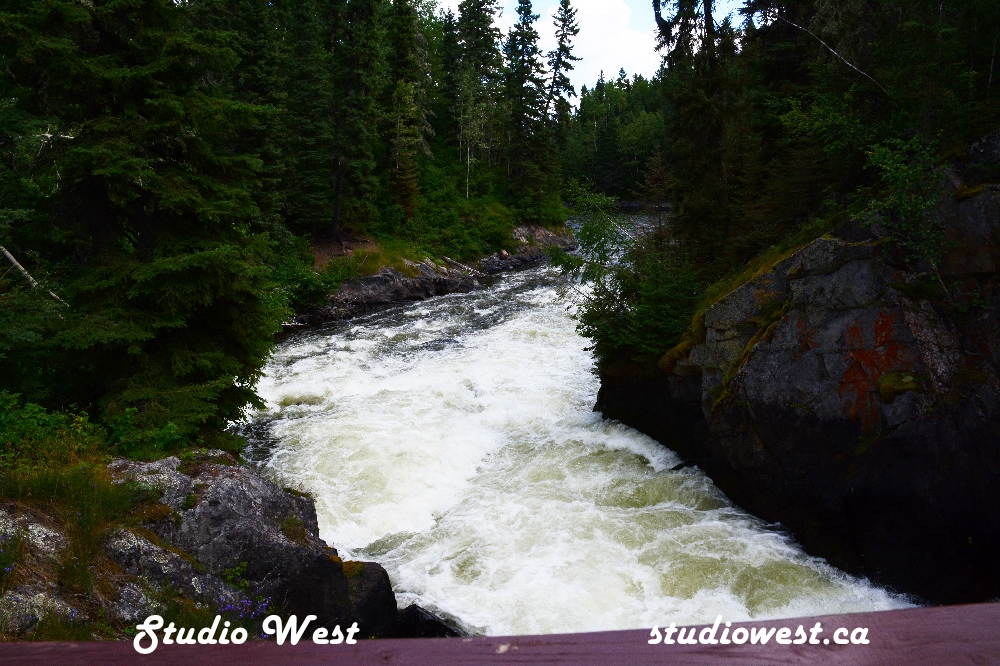
below the rapidsAnother view below the rapids we took most the rapids on my camera the images I lost in transferDown stream from Otter Rapids
Well there was one level spot left and we took it just above the rapids, beautiful but very noisy. Note unless you love the sound of pounding water all night take the campground across the road to the north it’s much more peaceful. Also the washroom, a pit toilet, is very busy most of the night for locals travelling the road, after you realize what the traffic is about all is good.
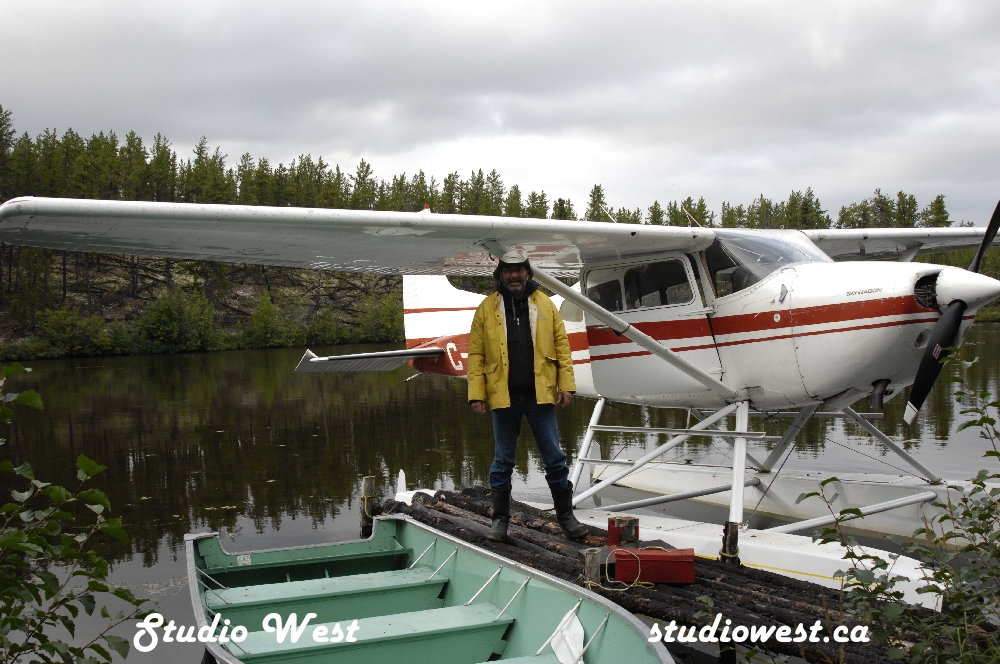
We enjoyed our stay there but had to move on. Charlotte thought we had enough of the rough dusty road so would not join me heading further up the road for miles to its end. A trip for another day I think probably on my own. We headed back stopping at many beautiful lakes along the way, lakes that are out of the way and we will return to if we get the chance. I love float planes so we stopped at Osprey Wings Ltd. at Missinipe on the way back and spent the morning there photographing planes coming and going. The owner of the family-owned air charter Gary Thompson was very accommodating when I asked if I could just hang and take photos, we had a great visit. Also an artist Gary gave Charlotte a choice of a couple of his prints, one of which is in our camper. A great outfit, remember them when chartering a northern flight. Many stops later we made it back to Nut Point Provincial Campground in La Ronge.
Osprey Wings Missinipe north of La RongeThanks to Gary Thompson for letting us photograph his planes at Osprey WingsLunch break at Mackay lake and some chill timeLittle Deer campsite only two sites, dock and boat launchA beautiful view of Little Deer Lake from this cook shelter. To bad CLAIKE was such an idiot.An undisturbed shoreline on Little Deer LakeThe trail down to Little Deer lakeHow can you tell we loved the Little Deer Lake area
For those who have not been north of La Ronge you start getting into the rock of the Precambrian or Canadian Shield where the trees get shorter and country gets a lot more rocky and rough. The road is good I would say for most RVs however you must realize it is the only road to service the north and the mines and communities. Huge trucks that are loaded have the right of way and some of the roads get a little rough and narrow with a few pull overs so be warned.
Nut Point Campground where the Canadian Shield beginsOur first site at Nut Point, at home where ever we park, love the truck camperNot everyday was sunshine on La RongeCampsite two at Nut Point
I’m going to break our travels into sections as there are a lot of images so the few we did salvage from our phones and Charlotte’s camera we hope you enjoy. We now have a reason to return to the north.
We have more images of La Ronge, PA National Park, Kimball Lake in the Meadow Lake Provincial Park and the “Crooked Bush”.
As always I appreciate those of you who I can share my images with. It gives me a reason to continue and a lot to catch up on. It’s free to subscribe and be notified when I finally get posting and no information is shared. We appreciate each and every subscriber and hope we can add to a little bit of your online entertainment. I have some mini posts on Instagram at gerrypopplewell. I final figured out how to answer questions or enjoy your feedback in the websites comments section. Please feel free to comment with ideas or questions would love to hear from you and perhaps learn from your travels as well.
For our RV friends I am pulling together my photos and information on the installation of a DC to DC charger, one of the better upgrades to our truck camper complete with approximate cost.
Until next time stay safe, healthy and take time to enjoy the beauty around us every day and that includes our friends. More images to come from the north stay tuned.
The road is calling and I must go…..see you down the road
The weather for the week ending May looked excellent so Charlotte and I loaded the “Igloo” and headed north to the Narrows in Prince Albert National Park. Of all the campgrounds in the National Park this one has the least services including sketchy cell service. Washrooms with cold water are the only luxury, but the secluded campsites for some make it worthwhile. The marina has boat launching and a few amenities but with covid even that has been reduced. Boat and canoe/kayak rentals are available as well. While we had young children, we found Beaver Glen near the main beach, playground, shopping and ice cream stores made that site our go to as it was much easier to keep them occupied and maintain some sanity. The Narrows is a quieter place for those not requiring services to entertain themselves or children so it is now our go to place for over 35 years, at least once a month for days or months.
Playground of the NOFS, an elite group formed by summer resident Johnny consists mainly of, to put it nicely, experienced campers and regulars to the Narrows for many years. (See previous article on the NOFS.) For those of us who appreciate the beauty and quiet of these campsites we guard the privilege of being there and keeping it as pristine as possible. We are proud to be members of this group and this trip allowed us to reconnect with many camping friends and met a few more.
It was hard to get anywhere in the campground as visiting was breaking out all over and appeared contagious as we shared our locked up experiences of last year. It was great to see Donna and Jim, Jan and Norm, Denise and Ernest, marina Jim and of course Mr. Narrows our leader John. As we were early in the season some regulars were not up yet and I know I missed some. We also met a fine young lady Cara and her daughter. Cara just recently took early retirement and left her sticks and bricks dwelling for the free life living in her neat little Class C camper. She plans on travelling where the weather is good and where ever the road leads her, doing what many of us nomads dream of full time. We hope to see them again down the road perhaps in Arizona this winter or on the coast.
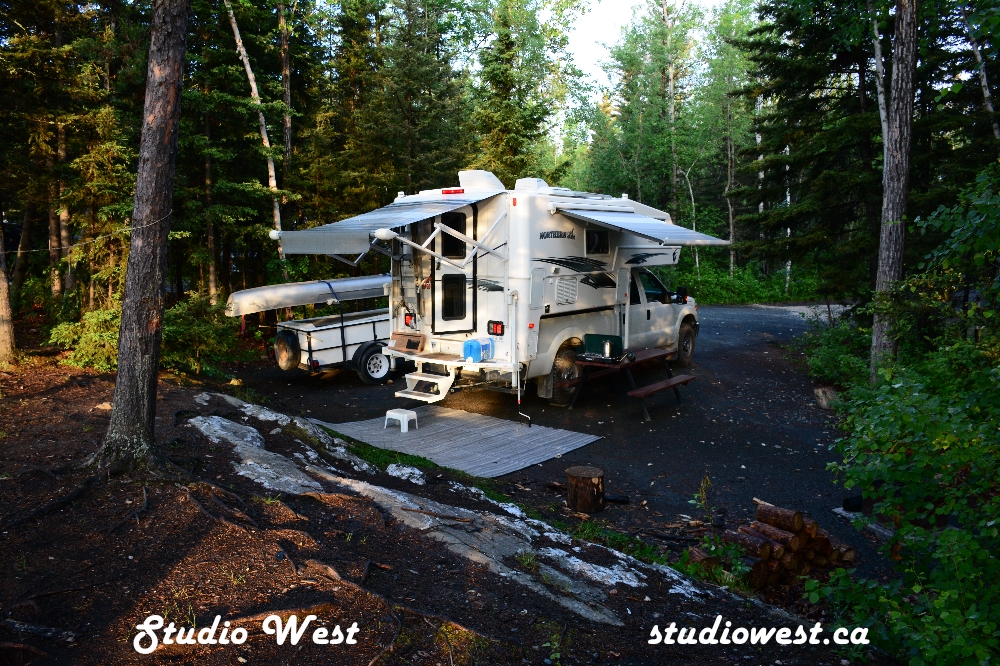
We also met Kathy (I think I got that right) and Blaine who, like us, spend a great deal of their year in their Northern Lite Truck camper and Ford F350 6.2 gas. We had much in common and had a chance to compare many notes, upgrades and problem areas but both agreed we were totally happy with our choices of travel and living accommodations and would not change a thing. Both of us have had every RV imaginable except a Class A rig. We like the truck camper as we park anywhere a vehicle can and with 4×4 go where we feel like when we want to, our only restriction sometimes is height but nothing is perfect.
A great week, warm weather not too windy, lots of canoeing, hiking, visiting and photography all in the company of experienced campers and RVers. Generator rules were followed with minimum of use, no garbage and food left around to attract bears who live there and the quiet as campfires died around 9 pm at most sites.
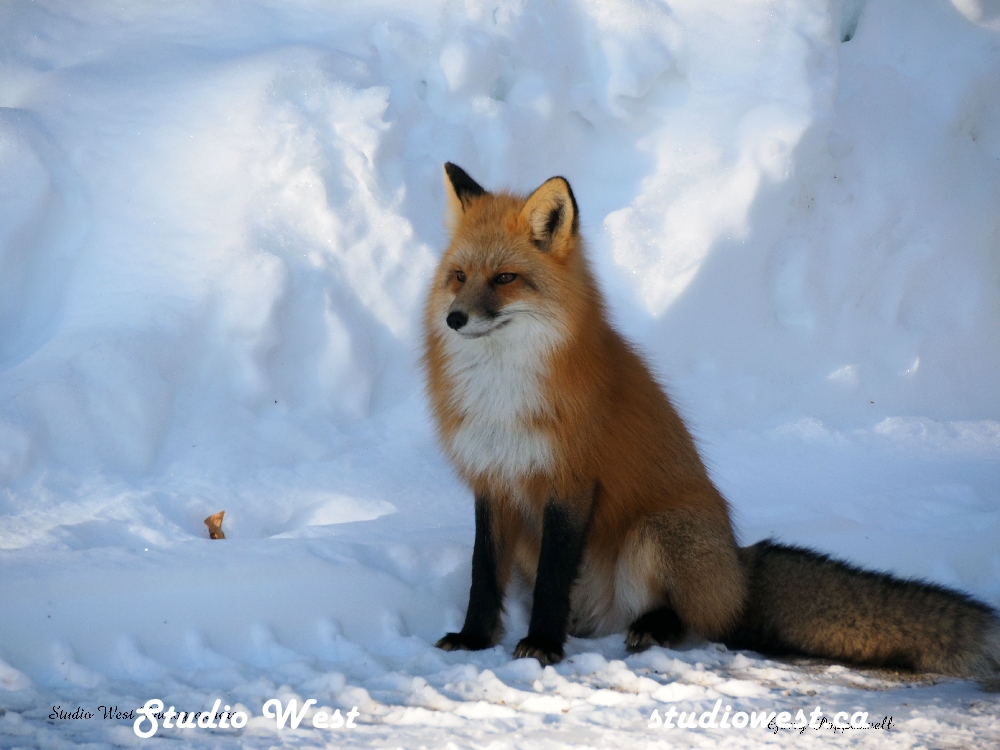
Unfortunately one of the regulars, Morton the Fox was not present this year, we noticed signs everywhere with his photo asking us not to feed the wild life. I hope the park did not have to put him down or relocate him because some fool camper fed him and may have been bitten. When around us they become fairly unafraid of humans (we are thought to be the intelligent ones) and they feed them, but wild is wild and if they feel threatened they will defend themselves. Please do not feed wild life or leave you junk food around so wild animals and birds can get into it, they are no different than us and are always looking for a free easy meal. God gave them a natural diet on which to survive and they do not do well on our processed junk food. Want to kill a wild animal feed it what you eat, so please use your head and allow our wild life to be wild life.
I do this site mainly to share the beauty of nature and light that God has given us to enjoy if we stop to see it as well as interesting places to see. I try my best to capture this beauty in a photograph without retouching any of them but quite frankly nothing beats seeing it in real time. I even took the time to use my Hasselblad medium format film camera and a light meter used by my father to try and capture the moment and will have to share those results later, as the film is out for processing…yep have to wait for it and hope I remembered what photography is all about, light and timing and setting the camera manually to capture what I see. Hopefully you will enjoy some of the images and subscribe. It’s free and your address is not shared, but it’s what keeps me wanting to do this. You can feel good that you have kept a senior off the streets and out in nature taking photographs.
Hope we see you down the road. Look for studiowest.ca and the igloo. Would like to meet you – until then love one another, be kind to each other and respect our natural resources and wild animals.
Next week I will share our photos from our trip in northern Saskatchewan.
It appears there has been a lifestyle change since 2020, people who could never be bothered to spend a lot of time outdoors have suddenly discovered fresh air. As with anything that becomes flavour of the month, we tend to overdose on whatever it is and take things to the extremes. So we left for the north before the rush.
This is evident in the sales of anything outdoors from running shoes to expensive RV’s and cars. Money has not been the problem since 2020, the supply of outdoor toys has been and the shortage of green spaces. I keep saying the streets in Saskatoon were designed for a small city not the one it has grown into which creates traffic congestion. This goes also for everything outdoors these days as we go berserk in our efforts to amuse ourselves since our usual venues have been limited.
Try and book a tee time, or go for a quiet hike or bike ride thinking you will get some personal space, or book a camping site in one of our parks. This has been great for those marketing all these outdoor adventures and its great people are getting outdoors. One big problem you were somewhere else in previous years before and our courses, parks and trails were not designed for this kind of traffic. Our parks were not fully utilized, now it’s impossible to book a weekend unless you got the credit card out and spent your day on the internet booking every weekend possible.
I feel sorry for anyone buying a new RV these days as they are flying off the line as fast as they can produce them, pride of quality gone as people are willing to pay anything without question. People who have just bought an expensive home on wheels and have not realized they would have to share with bugs, animals and people’s garbage left at sites. The skies are not always sunny as on YouTube. They now discover when you flush that is not the end of the story, and one hour showers are not going to happen at all let alone every day. And internet is a luxury not guaranteed with the price of admission. We are all guilty in the rush to satisfy. We grab for the first flavour that is offered and get a double or triple scoop having never tried it before. Yep if you want an RV or an expensive set of golf clubs or one of the new electric bikes…just wait until what we will call normal returns, whenever that may be, and the market place will be flooded at 10 cents on the dollar.
It’s becoming frustrating for people who have always enjoyed spending time travelling around our beautiful country in their RV’s and yes that is us. How can you travel across the country when you have no place to stay the night as weekends are booked solid in most parks this summer. Heck even Walmart has started banning overnight stays as some have totally abused that privilege leaving garbage and living on the lot.
Those of us who have been RVing for years may have to put up with this and get creative as we know we can and just wait it out until, like chewing gum, after awhile it’s not so tasty anymore and expensive RV’s will rot in backyards and storage facilities as this too will happen. Our parks, campgrounds, golf courses were not built to accommodate this sudden rush of traffic so for a time we will have to manage the ant hill living lifestyle, which admittedly some love.
Living with nature can teach us a lot and can provide a place of relaxation and beauty and a lot of people have discovered and enjoyed. As more and more people head outdoors, even early in the season we found garbage and human waste everywhere. What is it with people who have to litter and destroy the beauty around them by leaving their garbage. It’s a danger to wildlife, pets and humans. Why??? I will not refer to you as swines as that would be an insult to that breed, you are simply put, pigs in the simplest terms. Before long we are going to lose the privilege of camping, hiking and biking in some areas as they have to be shut down to protect the environment and ourselves from ourselves. Take your garbage out with you and leave no trace of being there….Please.
Admittedly in our travels on Saskatchewan highways and parks we have noticed either a lack of or no way to dispose of waste or re-cycle containers in the parks and at rest stops. Manitoba and B.C. do an excellent job of this but for some reason Saskatchewan pales in comparison. This however is no excuse to just drop it where ever. For that reason I will not be sharing those hidden gem camp spots that are out of the way and quiet that we have discovered on our own. This is at the request of others that go there and the fact that the next time we return we do not want it to be the new go to place and full of garbage. If you find these spots on your own the effort is worth it and you will probably respect it as we do. We will try and inform you on the regular spots and our experience at them as we see it you will have to experience them on your own.
Rising water at Meeting Lake.
I will share some images of our trip as we spent the first night “moochdocking” at our very good friends’ place at Meeting Lake, Saskatchewan out front of their cabin. Meeting Lake is one of the few lakes that the water is rising every year with no real explanation. Now the beach area is gone and cabins on the lake are surrounded by dirt berms. After a good visit we left and plans changed while on the road and we were headed for Big River. What seemed like an eternity on some of the worst back roads we have ever been on we arrived at the resort community of Big River where we found a really nice regional park to stay at right on Cowan Lake. The community has two very nice regional parks and a couple of private ones that appear to be seasonal spots only. As we, along with one other RV, were the only ones there, we found the spot quite quiet and relaxing.
Images from Big River Regional campground on Lake Cowan.Overnight stay on the shore of Cowan Lake.
The next morning we headed north again in spotty rain, found a road used a lot for logging trucks and a sign that said Sled Lake. We decided to give the road a try as it had rained and check out Sled Lake. At first the road was fairly good but did deteriorate and get a lot narrower but we made it and found one of the prettiest little lake communities we have ever seen. No luck, nothing was for sale or we would have never come home. The community consisted of perhaps 30 residences and an outfitters camp, the whole community was well groomed and a pride of home ownership showed everywhere we looked. They have closed the campground there, possibly they did not want the distractions or forementioned problems so we could not stay overnight.
Shoreline of Sled Lake.Shoreline of Sled Lake
Lunch stop at Taggart Creek returning from Sled Lake.
We respected their wishes and from there we moved on to the Cowan Dam site recreation area where we found many people fishing and camping there. It is a really nice spot to camp or fish, but was very crowded and the fish flies were incredible so we moved on.
Cowan Lake Recreation Site is a very popular site for fishing.
Not far from Meadow Lake we decided to head there as our granddaughter is finishing her pharmacist training there for a couple of months. However she had left for home taking an extended weekend but we checked out the Lions Park campground in Meadow Lake. A nice little spot right outside the community and there was some pre-season preparations happening and it was not our cup of tea so we headed to Meadow Lake Provincial Park north of the community. The park covers approximately 1600 square kms and features over 20 lakes and several campgrounds, some hike in tenting only. This is an excellent northern park for those tenting and not wanting to be surrounded by RVs. The lakes are beautiful and clear with many hiking trails around them. We had spent time there one fall out of season and it was very colourful if you catch the leaves at the right time. We headed to Waterhen Lake, one of the largest lakes. We had been there before, but upon arriving found the campground just about full of people who were fishing and the spots were limited. We decided to take a chance the Greig Lake campground was open at this time and discovered a beautiful campground surrounding the lake and very sparse. We could pick just about any site we wanted. The sites are all very well kept and provide a lot of treed in privacy I don’t think there was a bad spot in the campground. We are not beach people but for those that are the beaches are great at several of the lakes. We spent the night there hiking and exploring the surrounding area and would recommend this campground but imagine in prime time it could be very busy. And if you don’t mind busy this is a go to spot.
Images of our stay at Greig Lake in the Meadow Lake Provincial Park.
We left the park early the next day and travelled through the park to the community of Goodsoil where we took Hwy. 26 south to Loon Lake. This section of 26 is really not advisable if you love your RV or in anything less than a 4×4, we have traveled similar logging trails. From Loon Lake we took Hwy. 699 and visited Steele Narrows National Historical Site of Canada. This is the site of the Northwest Resistance which began in the spring of 1885. During that time, several battles were fought between the Indigenous people and the North West Mounted Police (NWMP). The battle of Loon Lake took place at Steele Narrows on June 3rd, 1885. This concluded the Northwest Resistance and was the last battle to be fought on Canadian soil. There we met a young native family who were there teaching their young ones the history of the area which was so good to see. Regardless of how they felt about the history at least they were sharing it, now in our society we try and hide our past rather than learning from it.
A good hike up to the memorial but the view was worth it.This is where the last Canadian rebellion took place.
There are campgrounds there I think that are provincial as I did not take notes, that were very nice but for tents or smaller units under that 30 ft. overall length for sure. We then headed to Makwa Lake Provincial Park 60 kms west of Loon Lake. This provincial park is made up of expansive forest connecting five lakes, it features three campgrounds and multiple sandy beaches. Again many beautiful hiking trails in the area with wheel chair access to the beaches and service centers. We have never stayed there but may be a consideration in off season. I think it would be beautiful and great lakes to canoe. A great start to beat the rush and approximately 1200 kms later we were happy to have experienced more of our province and perhaps some go to again areas.
My new camping table for sites without amenities, road tested and worked well. My camera tripod works as a table leg.
Now to find those really off the pavement and off the grid areas for some more adventure, photographs and great canoeing we hope to someday meet as we go down the road. As usual if you like what you see please subscribe and like. I am open to questions and nice comments only at gerry@studiowest.ca
As my new friend Jeffie Bear would say “be kind, love one another, love ya all”, see you soon.
This covid thing has changed a bit of our RV Nomad travelling plans in our camper but has also given time for reflection. Just being able to head down the road and wherever I stop is home that is travelling to me. We have everything needed and are completely self-contained, if we do not like our surroundings or weather we simply leave to a better location.
We have been fortunate to be able to spend a great deal of time on the road and living in our truck camper. We have been able to do this on a very limited retirement income as a result of downsizing to a small cabin on a small lake. The purge of items was tough, I had rooms and sheds full of stuff I needed. We had intended on going full time in our RV so the purge was massive at first. The more we got rid of the better it felt, so much less to care for, much of which we never used. To keep the larger home, two car garage and countless storage sheds, four different deck levels, one acre lot on the lake, docks, lawn and garden equipment and that was just the tip of the iceberg. Inside we had to furnish all the rooms so we did not look like we could not afford furniture. I had sheds too full with quads, snowmobiles, pontoon boat, canoes and kayaks, yep we had it all and more. Oh yes I almost forgot a very expensive RV sitting in the driveway. Having it all meant 8-10 hours of both of us working to pay the taxes and to keep all the stuff, and all that stuff sat because we did not have time….billable hours were important. The more we had the more it looked like we were successful, actually we felt quite different, we were slaves to our lifestyle. We did not go into debt to finance toys, that would have been even more stress, but just maintaining and looking after what we had kept us behind the computers working.
The road was calling, fish needed to be caught and rivers paddled and different backyards for hiking when we chose. We decided that what we really loved was time, time for ourselves and friends. Time is something we all take for granted, time to stop and enjoy what we have. Well we did not even have time to enjoy our canoe, a passion we both enjoy. It sat next to the pontoon boat with the brand new motor we used when we had time and next to the two kayaks we used when we had time, notice how often the word time came up.
The more we unloaded the lighter the load and the more time…which brings up another word Free. Free of stress and hours of work to support our commercial habit of owning stuff just to own it. We thought this stuff was to make life better….Our kids did not even want the stuff we collected when we started to purge. I would hate to think how much I added to our landfills over the years with the packaging of the stuff. Some of which even lasted a year when the warranty ran out. Don’t get me going on packaging, landfills are contributing to climate change, but no we tax gas and just keep purchasing more junk wrapped in layers of plastic. Junk we do not need.
I gotta shorten up this story, to make it short we sold out on the stick and bricks thing when a small cabin came up for sale overlooking the lake. Yes we bought it and spent two years replacing everything in the cabin and out. Bonus we paid cash, the lot is small, the cabin is only 800 sq. feet so taxes are low and we can afford it without having to work. It took those two years to sell our other place and when that sold we no longer needed to work. Anyway it was time they did not need marketing consultants that were aged as myself, I did not know all the different names and lingo the new generation of marketers came up with for “look after your customers.” Yes I was in the business of making people want what they did not need but had to have.
Without the larger home we used very little of, and living simply without all the stuff, we could follow our dream of travel and canoeing with time to spare. It was never my intention to die the richest man in the graveyard, that never made sense to me at all.
The more time we spend in our RV the more we realize just how little we really need, to look after our basics such as shelter, food and water. Due to space we have only the essential daily cooking and kitchen accessories, but the essential only, no room for gadgets. With our canoe only or inflatable Sea Eagle we had no more gas to haul, no motor to maintain and launch fees to pay. Not for everyone, but to us it means freedom. We can launch the boats from anywhere easily and quickly, no mess, no fuss just keeping it simple. We could quietly paddle the shorelines and rivers for some interesting animals and great photographic images. We could fish and always catch just enough for supper, no more fish finder, we caught just as many fish in our tin canoe without all the gadgets, hard to believe.
RV lifestyle is becoming more popular with more people going full time even in Canada, estimates are close to a million. Some consider them homeless and drop outs from society. I see them as successful for several reasons, words like financial freedom, freedom of time, freedom to move, freedom from waste, less stress come to mind. Having the courage to step out of the mainstream to enjoy a simpler life, one they chose to live that was out of what many consider normal. RVing has taught us how to conserve water, resources and to live comfortable with the minimum of stuff. This has made us better stewards of our planet as it even carries over into our cabin lifestyle. We have a lot of respect for those who choose the nomad lifestyle over living up to society’s expectations. Is being successful a huge mortgage, taxes and payments and toys you do not have the time to enjoy? Unfortunately we judge people by what they have and usually the bigger and more expensive the better. When in actual fact they may be slaves to their possessions. It’s the only kind of slavery that is allowed these days, good for the economy. When a person steps out of a shiny new pick up or BMW with worn out torn up jeans we consider him trendy, those same jeans on a person getting out of an old pickup not so shiny makes him look less trendy and more needy even if his truck is bought and paid for. Success is being able to wear jeans someone has already worn out and you just paid $175 bucks for. Heck I used to be embarrassed to go to school with iron on patches on my jeans, boy mom could have saved a lot of time patching if she was around now with three boys. However we would have not been wearing designer jeans, Army and Navy fashion outlet was first stop.
Everyone wants different things from life, however sometimes the marketers get us hooked on the “good stuff” we can’t live without and without realizing it we are hooked and slaves to our habits. Spending lots of time in our RV or our little cabin we are able to kick the habit, usually because we do not have room, and when it comes right down to it, just did not need it. My grandfather once told me if I could separate my wants from my needs I would be a lot happier. Well I once was young and those words just ran straight through my head, never even stopped. Now I realize after purchasing it all at top prices and practically giving it away on kijji just how smart he was and how much those words meant.
Now I see being successful is having the time to enjoy what we have. Time to enjoy the beauty of this country if that being in the U.S., Canada or abroad, time to pursue dreams and goals. We have traded for a modest lifestyle, one we can afford to enjoy time and freedom of stress even though it’s not corporate Canada’s plan. When life here is through the size of my house and properties, my toys and make of vehicle will not factor in. The time spent enjoying people and places, freedom to move, less stress and just being content inside my soul to be able to enjoy God’s gift of nature and the beauty surrounding us. It’s hard to see beauty outside when there is turmoil and strife inside. Remember the bigger the fire you build the more wood you need to keep it going.
Thanks for the RV lifestyle we really have discovered a simpler way of life where you discover how little you really need to live BIG! It’s just too bad it has taken me so long to learn these lessons and concentrate on the inner peace and quality of life. I was told a rose cannot be opened from the outside it opens from inside. Just a few thoughts that have allowed us to retire, travel just about every highway in Saskatchewan, travel some in B.C. and discover the beauty of Northern Manitoba. Let’s get this covid thing out of the way, more roads are waiting and our backyard is becoming familiar.
Yes we must hit the road soon so those of you who subscribe don’t have to endure these ramblings and we can share some of the beauties of this country and people along the way. Thanks for reading, keep it simple and we hope to see you down the road. If you can put up with this please subscribe it make us feel good….cheers Gerry and Charlotte…that is if she posts this.
Yes a sensational headline, wildlife affected by covid but true. No one wants to hear anything more about this virus thing, but it is real and it is killing many. It’s killing me to sit still and not being able to enjoy the beauty of B.C. or Manitoba as we are asked not to travel. I can question those rules all I want but the fact is the virus is not spreading itself, we are spreading it and the sooner we stop sharing it with family and friends the sooner it will go away. I am waiting patiently for that day. Yes I have had the “FIX”, being seventy has it advantages, but like most fixes it is just temporary unless we do our part and stop passing the bug.
Enough already. Covid has caused many changes in how we are handling restrictions. We are able to sell our homes far over market value to a cash rich younger generation who can borrow right now for literally nothing. When homes can sell for three hundred thousand over asking, I am wondering why I have not sold and moved into the camper. I sold a set of golf clubs I tried literally to give away at three years of garage sales, for almost new price this year….bonus for me. We have created such a demand for lumber now most of us who do not want to finance a couple of 2x4s over three years have to do without. Cannot buy an RV in decent shape, canoes, camping gear, bikes and other sporting goods are almost cleaned out. And the list goes on. We have become, all of a sudden, lovers of the great outdoors because of nothing else to do. And that is great if we realize it’s a privilege, and to respect and enjoy nature in all its’ splendour.
Nature does not destroy itself, it is self-sustaining. When one plant dies it is to feed another, some plants provide shade so others can grow and provide for the wild life, our forests and untouched areas of wilderness have existed since the beginning of time without our help. Amazing. We could learn a lot from nature, it never destroys itself. We do that when we change it to our liking or abuse it. It is a God given beauty we have become so busy and fixated on acquiring things we have no time to stop and enjoy what makes it all work in harmony, peace and beauty. This, while supporting many different creatures whose existence depends on nature.
Unfortunately our beautiful wildlife neighbours are starting to feel the effects of Covid. As thousands of us take to the parks each year now there are thousands more, and in our rush to see nature at its finest and break free, we fail to notice the beautiful undergrowth that nature provides and trample it into the earth killing it. Paths were created in parks for a reason to protect the natural beauty. Some have watched YouTube and see all the back country campers and mountain climbers, not realizing these people have been trained in what they are doing, they are not doing it for the first time. The store will sell you all the gear you want to be a copycat but unfortunately they do not include experience or in some cases, common sense. These ill equipped people put the lives of rescuers and firefighters at risk along with the homes of hundreds of animals and birds that live in the wild.
We are now seeing parks closed for that reason, to protect not only the natural beauty and the wildlife but also from endangering ourselves. Garbage is being left which can kill the wildlife, we would not consider feeding our dogs that but have no problem leaving it for wildlife to digest. We are littering the beauty we are supposedly set out to see with our garbage….Why? Our lakes are becoming polluted and it ain’t wildlife that’s doing it or the fish and millions of other creatures that just want to exist in clean water. I know the answer to that one, it’s the other guy…right! My solution is simple – don’t be that guy (sorry that was totally incorrect) that person. If you are just too rushed to stop to enjoy the beauty of the park or lands and respect the privilege, just too busy and self-important to pick up your own garbage and take it with you….just stay at home and do all of us, as well as nature and its inhabitants, a big favour. Before we lose our entry into parks and the back country let’s all try and do our part to preserve the beauty, keep it clean for others and those who live there. Perhaps even pick up a little garbage left by the ignorant.
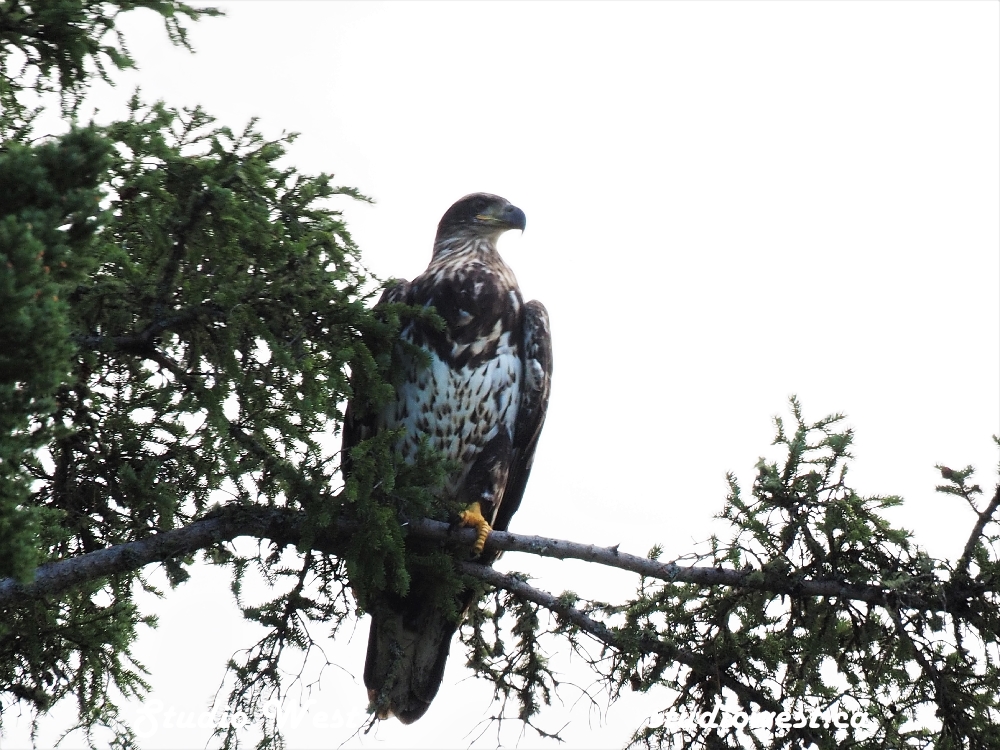
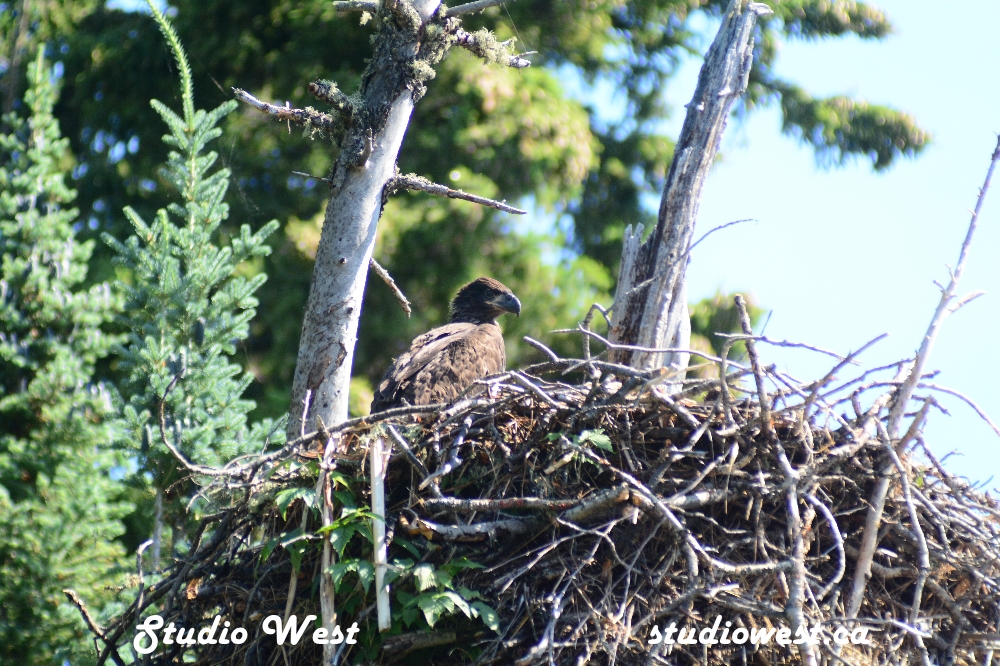
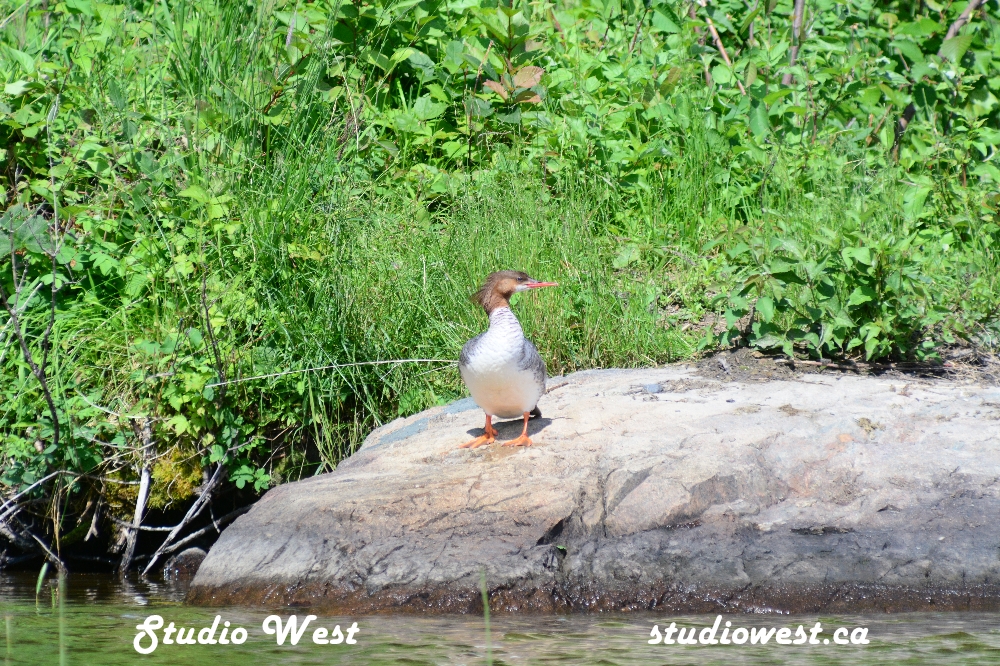
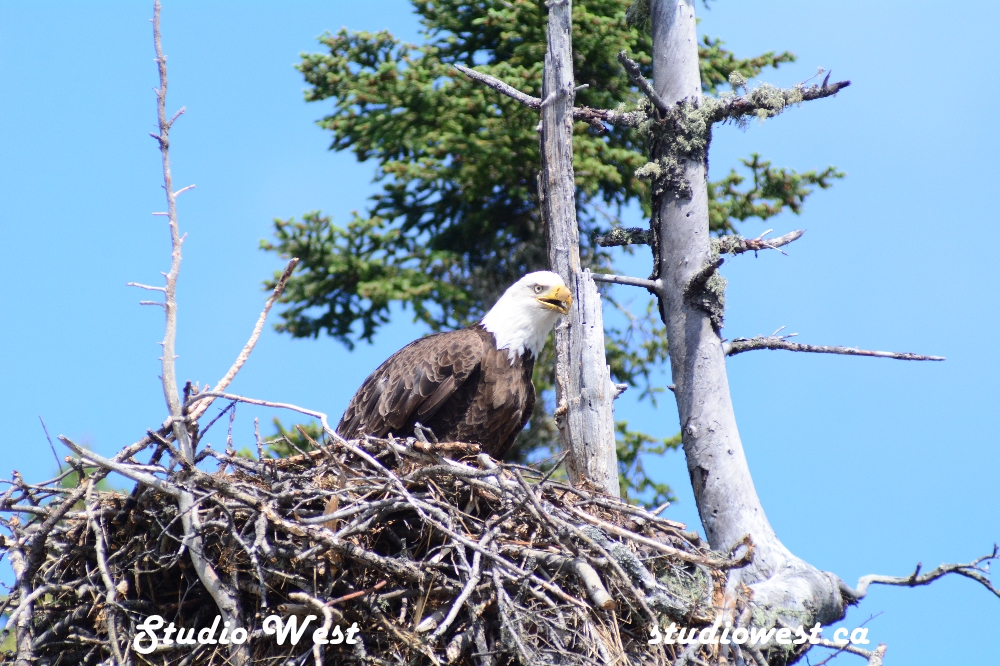
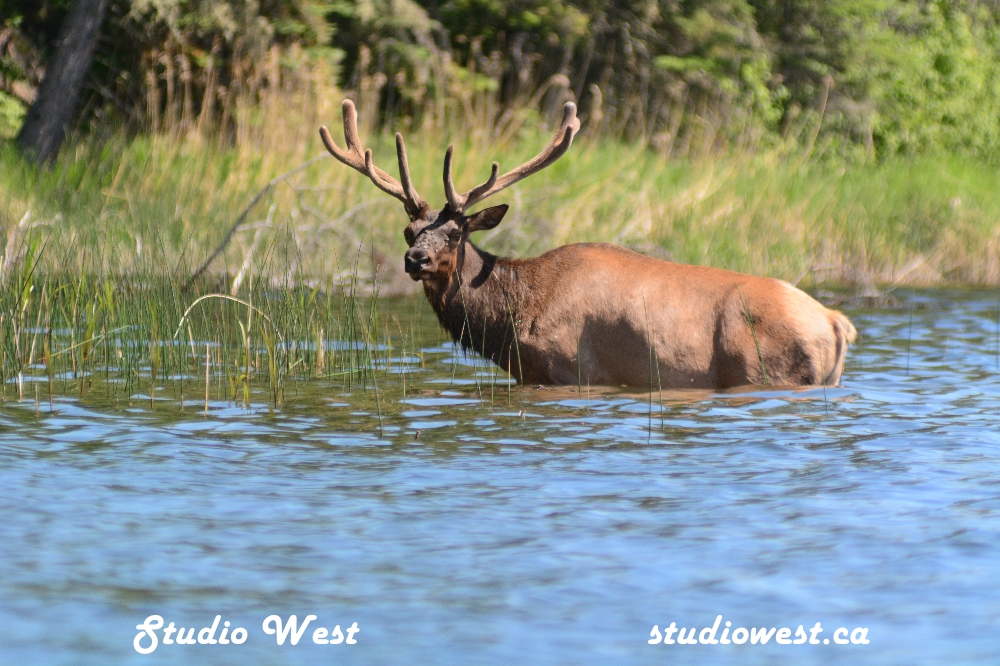
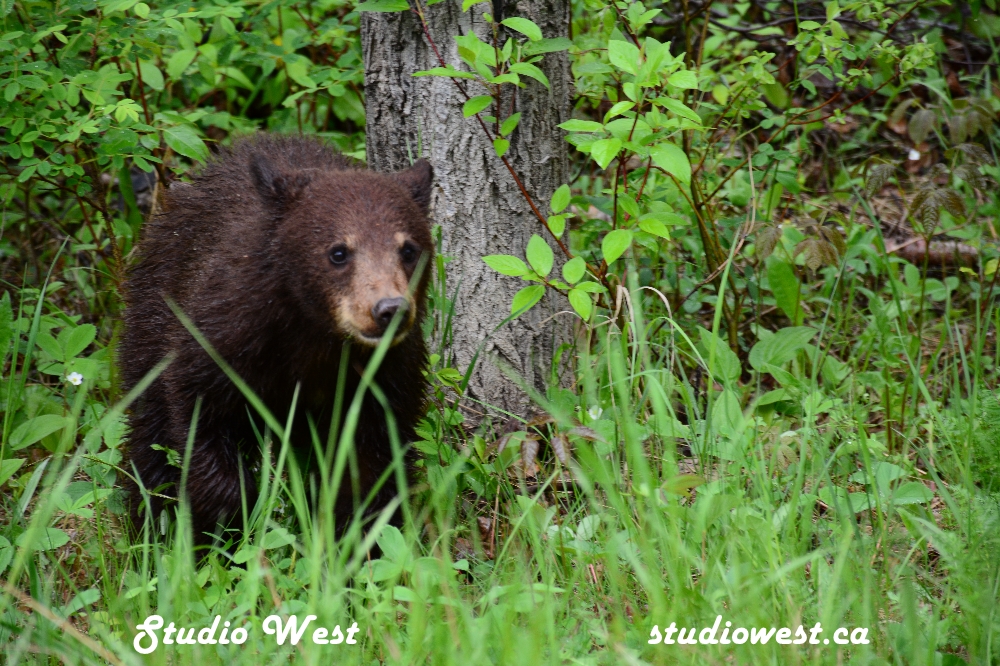
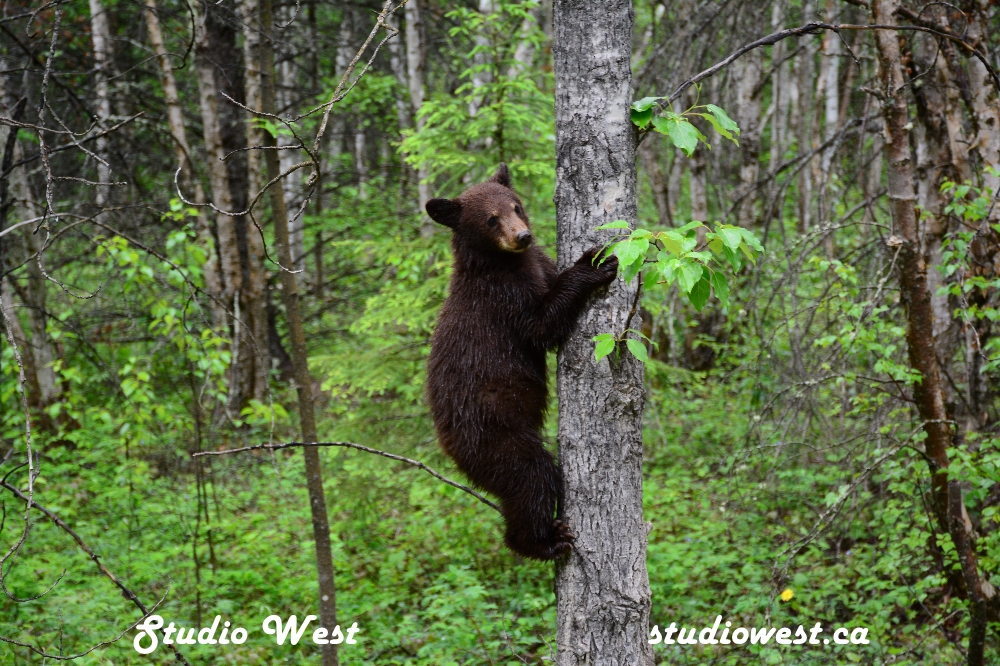
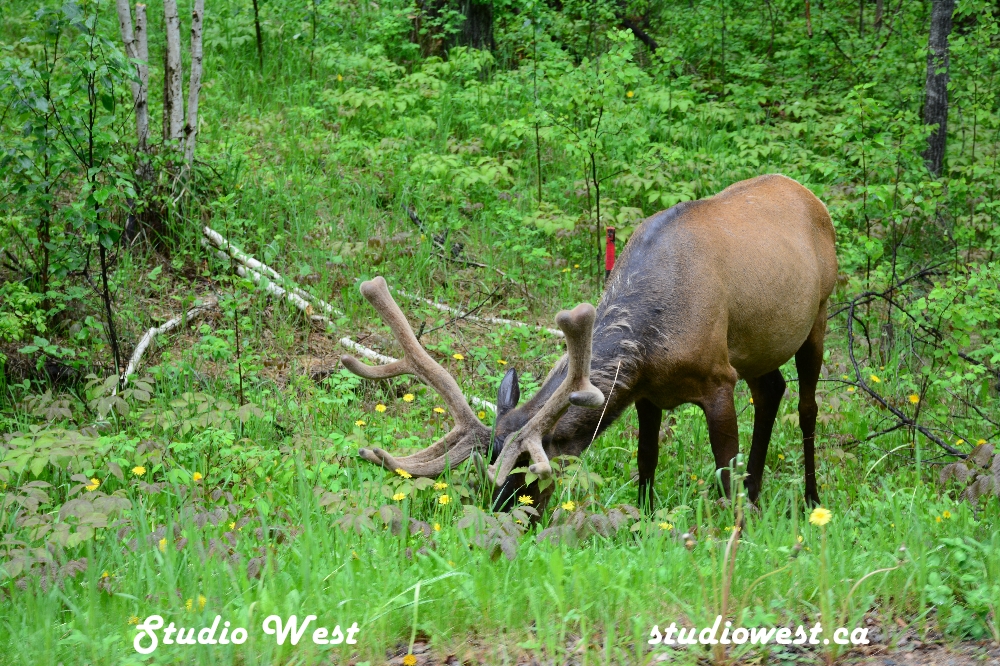
Just thought I would share some photographs of our neighbours we have met who live in the wild and are being affected by this Covid thing….let’s not pass it on to them. Keep it simple….life is too short.
In all our travels in Canada I have two areas I have always enjoyed. The first is the far northern areas of Canada which now includes Northern Manitoba and BC with the forests and rocky country filled with thousands of little lakes and rivers. The second area is the southern Grasslands of Saskatchewan in the rolling hills around Mankota, Wood Mountain and Big Muddy area. Here you can look for miles across rolling hills and see no sign of civilization, it gives one the feeling just how small we really are in the whole make-up of the universe.
On a cattle drive several years back I had the chance to experience the beauty of the Grasslands up close and personal. Riding through the hills gathering cattle from the ravines and heading them home was in itself peaceful as one could only hear the sounds of the wind. Cresting a rise on one of the trusty ranch horses, I could see as far as my eyesight allowed, natures beauty the way it was intended, lay before me. I was just a little speck sitting astride the horse, realizing just how small we really are. Just a beautiful reminder not to get too caught up in how big of a role we actually play on earth, definitely humbling.
My first love however is the northern, untouched forest areas of northern Ontario, Manitoba, Saskatchewan, Alberta and British Columbia. We have travelled fairly extensively in Saskatchewan and northern Manitoba, with Manitoba having a special place in my heart just because of the unspoiled beauty of the rock, lakes, rivers and forest areas. Like the south this area is sparsely inhabited. One would start to think I am a recluse and that would be partly true as I do not require an audience but I really do love people and enjoy visiting. The lack of people means we have not altered the beauty of nature the way it was intended to suit our commercial needs. It has not been knocked down, flattened out and paved, but remains a beauty the creator has given us to learn from nature if we take the time.
So as one can imagine growing up in central Saskatchewan in the middle of farming country a tree was a cursed thing as one would have to take the time to swing the big seeder around. A bush meant a few bushels of grain less to market. I could never get it when people would cut down a beautiful six foot spruce tree to hang decorations on for a few weeks when I could look for miles and hardly spot a tree. I get it and we are lucky to have hard working farmers that risk it all, year after year, to feed the world, but sometimes that need to draw every dollar out of the land, plowing every available inch, backfires as nature has the final say. But as our populations grow and we start paving further and further into the countryside, our farmland shrinks, so I can see now how perhaps every inch will count to produce food at the price of changing nature to our needs.
This is perhaps why Charlotte and I love to get away to where we can find nature unaltered by us humans. It amazes me to know that for thousands of years the beauty God created grows, dies and regrows to continue the cycle of life ever beautiful and productive. A beauty that is home to all sorts of life forms and animals all existing quite fine, all without the help of mankind. It amuses me to see people come to get away from the towns and cities to camp in areas they know bears, wolves and lynx roam and expect the parks to chase these animals away from their home and hunting grounds so they can feel safe. The only times we have problems with wildlife is when we do not respect their space, no different than the trouble you’re going to get if you try and shoo me off my place. We can all exist together just all that is required is a little respect one for another and that goes for wild life as well.
Getting into the backcountry and exploring the rivers fur traders, explorers and the native Indians used for travel in our canoe is exhilarating. Exploring bays and rivers in the peace and quiet of nature we imagine, not since the fur traders or natives, we are the only ones that have been in this exact spot. Not! Looking into the water we see a beer can and a little further on shore an oil can. That dream over, we paddle on to a historic canoe portage, unload and are shocked to see the litter everywhere in the trees and left at campsites. Yes human animals have been here and like some animals have marked their territory by leaving their garbage for others to enjoy. Obviously they were out there for a reason, was it to enjoy nature as we were, or did they simply go a long distance to party up, or did they make the trip to dispose of their garbage. I know God created man equal but sometimes my belief in humans is shaken. We sometimes just have to mess up a good thing. Please there is nothing historic about your garbage being left, it’s just a sorry statement on humankind. Luckily not everyone is like this, but a few will ruin it for many. We have to journey further and further away to find areas now untouched by man and still pristine without garbage and that is what keeps us going that extra mile, because it’s less crowded there.
Love all of you who take the time to read this rambling. Covid has definitely cut down our adventures as we try and limit our chance of spreading this virus. If we could just all do our part for each other…but then that is like the privileged few who leave their garbage for others. I really do love people just sometimes have a hard time understanding what we are doing to our planet in the name of progress. Lots of us care, but it’s the ones that don’t that kinda get under my skin.
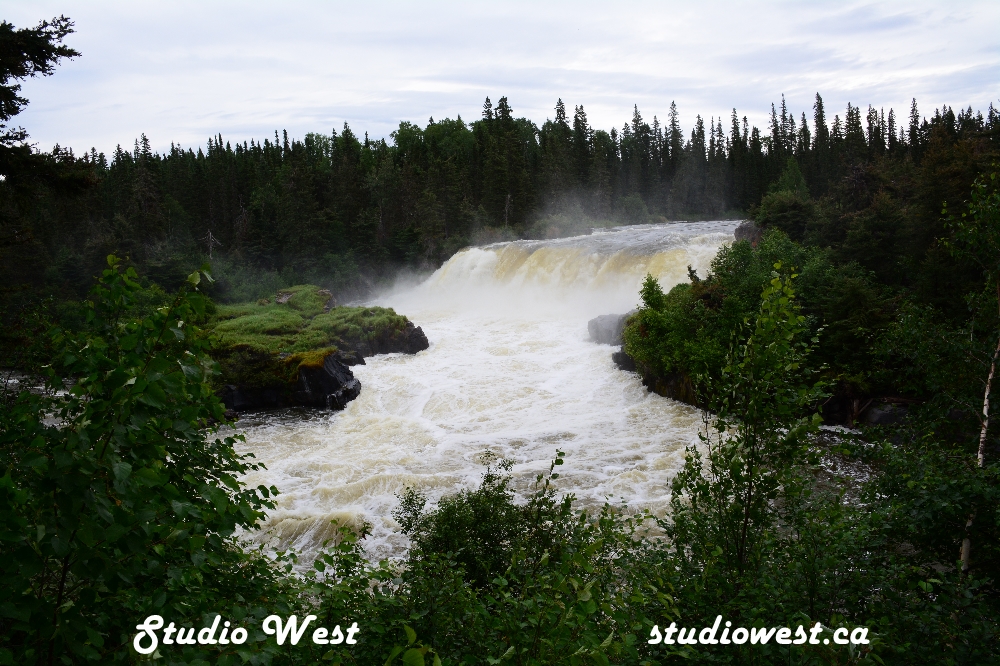
Sharing with you some of the northern beauty of one of my favorite provinces Manitoba Canada, enjoy and we hope to meet you down the road. Please subscribe, until next week.
I always talk about going that extra mile, just because it’s less crowded there, but it takes me beyond cellular. I am right usually because there are fewer and fewer people who can be out of touch on their phones. It’s getting so everywhere you go there is a phone in hand and our heads are bowed. Well the emergency benefit of the cell phone can be argued but mainly it’s an addiction to connectivity to friends, family and social media. You know what I am talking about, all the platforms out there that are running our world leaders chasing their tails. Oops I did not mean to get political. I beg your forgiveness.
We try to break that addiction when we have better things to do like enjoy nature, new sights on our travels and just plain disconnecting from a connected world. The places we love to canoe, camp and just plain enjoy nature are places less crowded and we have been finding these spots have no cell reception or internet, usually no power or services.
When we travel we become nomads and only move when we feel the desire to do so, if we like a location we may stay a couple of days, a week or possibly a month. If our location, for any reason, is unsuitable for our tastes we simply move on. We love our lifestyle but those we love such as family sometimes get concerned when they have no idea where we are or if we are OK, this we value as well.
We are always finding ourselves out of cell range depending on our Ford to get us to where we are going and all the tires staying round. As well we take off in our canoe or on hikes that could lead us into some danger or be stranded due to weather or accident. I don’t know about where you are from but I know in Saskatchewan, B.C. and northern Manitoba cell service is hit and miss and you just never know when you have service and especially in the north of our country.
We bought ourselves what we feel is the best insurance for our lifestyle that is possible and that cost compared to other insurance we pay is a deal.
SPOT X – 2 way satellite Messenger with Bluetooth is our connection to the world no matter where we are. I am told there is a little spot in Siberia that we may not be covered, I think our stay there might be limited anyway. Our SPOT X provides us two way messaging when we are off the grid using a constellation of satellites and can also connect to our smart phone via Bluetooth. An added feature is the SOS that can send a message to the 24/7 search and rescue center where we can message back and forth about the extent of our emergency and confirm help is on the way providing them our GPS location. This is true peace of mind for us as we just never know when we get ourselves into a situation we cannot fix ourselves.
Our SPOT X has a keyboard so we can text messages, we can also get an app on our phone to connect to the SPOT X but we see no need for this feature ourselves as the model of phone we have is self-contained so the benefits we see are:
1-Connect to Bluetooth for satellite connectivity.
2-Exchange text and email messages with any cell anywhere in the world.
3-Send SOS in dire emergency to the Search and Rescue center.
4-We can set up tracing in different minute intervals and track our location on cloud based mapping.
5-One button check in letting selected people know we’re OK.
6-Compass navigation with the built in compass and programmable way points.
We picked the SPOT X as it is totally water, weather and dust proof and the lithium battery is good for approximately 10 days per charge while tracking. As well it has the keyboard so we do not have to carry another phone or attachment that could get lost or damaged. There are many plans that cover all needs and budgets including ours. Now that we have it we would never travel again without it, even if we are not hitting the deep back country. It’s just plain peace of mind and it’s “beyond cell”!
I will include the link to this below. There are others on the market, we have this one tested and recommended…..hope we see you down the road.
If you have ever camped at the Narrows in Prince Albert National Park over the last 30 or more years you may have noticed a decal on the back of some campers or a green and yellow flag with the letters NOFS. This is the official logo of the “Narrows Old Farts Society” or to some “Narrows Old Farts Security”. I have had the privilege of being accepted into this prestigious group and proudly fly the flag at our campsite. Many of us have been camping at the Narrows for up to 50 years or more, which is one of the entry requirements to the exclusive group.
I will use first names only as not to incriminate anyone but the group was formed by John several years back. John, who spends his entire summer every year at the Narrows for more years then he can remember, noticed all the others, like himself, who enjoyed each year at the Narrows. On one of his busier days while lying in the sun at “his beach” he came up with an idea. “I have always liked decals and flags and stuff like that” John said. Belonging to a club with their own membership logo he thought it might be fun to form one for all the regular campers at the Narrows. Note to readers this came to John while lying in the heat on “his” sunny beach.
John designed a logo and a contact in the sign business made up a few stickers for him. Going one step further, a friend at the time, had access to a fancy embroidery machine and made up a few flags. “Those original flags and decals were a real hit with some of the regulars at the Narrows”, John said. He had to get more as other regulars were brought into the prestigious club. Now as many as 30 members are proud to be displaying the logo.
For those of us who feel a connection at the Narrows, it’s a special place, not just a place to camp but a place to come home to every summer. It’s that connection we the NOFS all have in common, we come for the beauty, peace and quiet we find at the campground. The NOFS as indicated in the second clarification of the letters the S stand for security. The park campground is for all to use and it is great to see so many people find the enjoyment of camping there without all the plugins etc. However be aware as the NOFS are watching that you are enjoying the park and not abusing it. We have to remember, to some this campground is almost sacred and here for the enjoyment of all, so be respectful of others. Respect nature and leave your campsite better than when you arrived, put your fire out when leaving and garbage has its place in garbage containers, not fire pits.
I have met many of our members and hope someday I get permission to interview a few and bring you their stories…some very interesting people. Remember age is only a number.